Rare earth recovery from industrial waste
A research project will investigate bio-based processes to recover rare earth elements and silica from industrial waste streams.

A research project will investigate bio-based processes to recover rare earth elements and silica from industrial waste streams.

A new biomethane plant in Colmenar Viejo will process up to 75,000 tonnes of organic waste and feed renewable gas into the grid.

PolyCert Europe has introduced an audit-based scheme for recycled plastics intended for food-contact applications in the European Union.

A research project is examining how repeated recycling affects the safety-relevant properties of HDPE used in hazardous materials containers.

It would not be the first time: Due to a lack of processes, structures and regulations, the growing expansion of PV systems could lead to disused systems not being kept in the cycle, but being recycled or landfilled at an inferior rate.

The EU-funded Circuit4EU project will develop technologies to recover critical raw materials from discarded electrical and electronic equipment.

Digitalisation is considered the key to the circular economy, but its contribution to climate protection is not clear.

The Sherlock project develops methods for the characterization of black mass and for the targeted control of downstream recycling processes.

The circular economy is considered a key concept for ensuring the sustainable use of resources. However, even the most efficient closed-loop systems cannot completely eliminate waste.
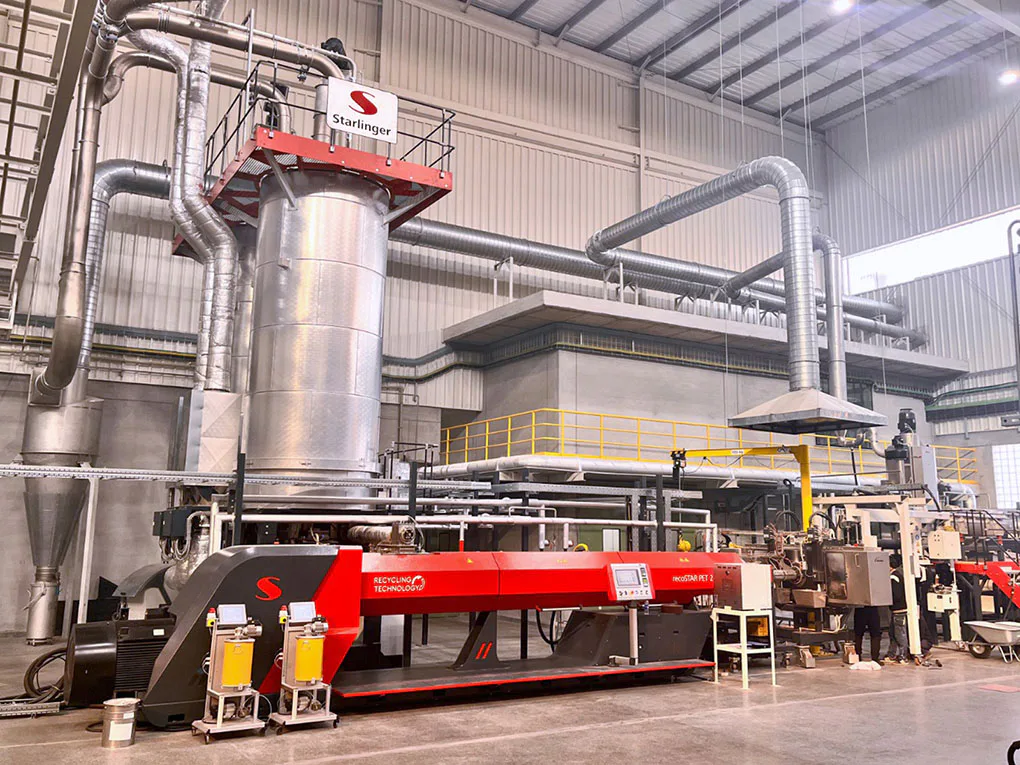
Pakistan-based PET producer Novatex has commissioned a bottle-to-bottle recycling plant near Lahore with an annual production capacity of more than 24,000 tonnes of food-contact recycled polyethylene terephthalate (rPET).

The environmental debate has shifted fundamentally in recent years.